Timing and Energy Stability
When you eat snacks matters as much as what you eat. The timing of food intake influences blood sugar levels, energy availability, and hunger patterns. This article explores how snack timing supports stable energy throughout the day.
Understanding Blood Sugar Dynamics
Different foods cause blood sugar to rise at different rates. Refined carbohydrates cause rapid spikes followed by crashes, while whole foods with fiber and protein create gradual, stable increases.
A snack timed to prevent extreme hunger between meals helps maintain stable blood sugar, supporting consistent energy, focus, and mood throughout the day.
Optimal Snacking Timing Principles
Spacing Between Meals: Most people experience optimal energy when eating every 3-4 hours. This spacing allows complete digestion of the previous meal while preventing extreme hunger.
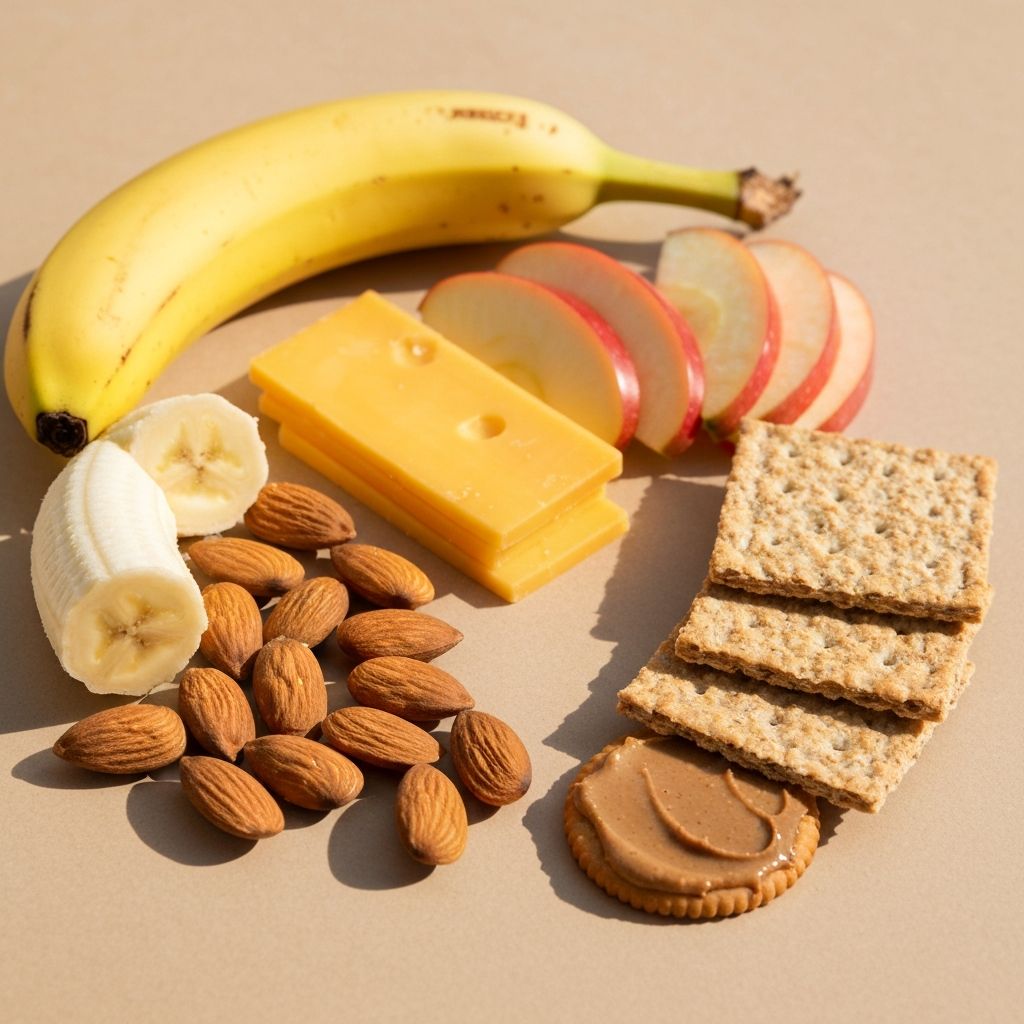
Morning Energy Boost: A mid-morning snack after breakfast prevents energy dips around 11 AM. Snacks combining carbohydrates, protein, and fat (like apple with nuts) provide sustained energy.
Afternoon Support: A mid-afternoon snack (around 3-4 PM) is often beneficial, preventing overeating at dinner and maintaining focus during late-day work or activities.
Pre-Activity Fuel: A small snack 30-60 minutes before exercise provides readily available energy. Quick carbohydrates with some protein (like banana with almonds) work well.
Pre-Sleep Consideration: Eating too close to bedtime can disrupt sleep. However, a light snack 1-2 hours before sleep (like Greek yogurt) can prevent nighttime hunger without sleep disruption.
Preventing Energy Crashes
Avoid Long Gaps: Eating nothing for more than 4-5 hours typically leads to extreme hunger and energy crashes, increasing likelihood of overeating and poor food choices.
Balance Macronutrients: Snacks with only simple carbohydrates (like white bread alone) cause rapid blood sugar spikes and crashes. Adding protein and fat stabilizes energy release.
Choose Whole Foods: Whole foods release energy gradually compared to processed alternatives, supporting more stable blood sugar and energy patterns.
Sample Day of Snack Timing
- 7:00 AM: Breakfast (oatmeal with berries and almonds)
- 10:00 AM: Snack (apple with almond butter) - energy support before lunch
- 12:30 PM: Lunch (varied meal)
- 3:30 PM: Snack (Greek yogurt with berries) - afternoon energy boost
- 6:30 PM: Dinner (varied meal)